Healthy, luminous skin signals far more than good lighting. It reflects hydration status, nutrient availability, stress load, sleep quality, and how well we protect against oxidative damage. When people ask about skin glow IV therapy, they often want a faster path to that well-rested look: fewer dull days, steadier tone, and resilience after travel or intense work stretches. Intravenous therapy can help certain patients reach specific goals, yet it is not a cure-all. The craft lies in choosing the right infusion, understanding what each ingredient does, and placing it within a sensible routine that includes skincare, nutrition, and sleep.
What skin glow IV therapy is trying to fix
Skin radiance drops when the skin barrier loses water, when collagen synthesis slows, and when oxidative stress outruns the body’s antioxidant defenses. Dehydration shows up as fine lines that seem to appear overnight, a tight feeling through the cheekbones, and makeup that sits on top rather than blending. Micronutrient gaps, especially in vitamin C and B vitamins, can sap energy production in skin cells and blunt repair. Oxidative stress from UV exposure, city air, intense workouts, or alcohol creates free radicals that oxidize lipids, compromise keratin, and trigger uneven tone.
In clinic, I see predictable patterns. A founder after six days of short sleep and coffee-heavy meals shows papery texture and a flat sheen. A marathoner finishing a hot-weather race comes in with salt-crusted skin and a pounding headache, then notices a sallow cast lingering for a day or two. A new parent is six months into interrupted sleep and has diffuse dullness and increased sensitivity. Skin glow IV infusions aim to correct dehydration rapidly and deliver vitamins and antioxidants where they can support systemic recovery, which often reads on the face as brightness and smoothness.
Where IV therapy fits in the broader toolkit
Topical skincare does the heavy lifting for the barrier. Sunscreen reduces oxidative hits better than any infusion can undo. Diet sets the baseline for collagen synthesis and antioxidant capacity. IV therapy occupies a different niche: it bypasses digestion and first-pass metabolism, allowing precise doses of water, electrolytes, vitamins, and antioxidants to reach circulation quickly. For select cases, that speed matters. After gastrointestinal illness or a long flight, oral rehydration may take hours to feel and even longer to visibly soften facial creases. Hydration IV therapy shortens that window.
That said, intravenous therapy should be part of a plan, not the whole plan. Relying on repeated infusions to compensate for chronic poor sleep or unprotected sun exposure is expensive and ultimately unsatisfying. The best outcomes happen when IV infusion therapy supports a moment of reset, then daily habits protect the results.
The core components: hydration, vitamins, antioxidants
Most skin glow IV formulations share three pillars.
Hydration and electrolytes deliver immediate plumping. Normal saline or lactated Ringer’s supplies water with sodium and other electrolytes, restoring plasma volume. When intravascular volume improves, skin often looks fuller within an hour. This is especially true after dehydration IV therapy for post-travel fatigue, hangover IV therapy after events, or during hot, dry seasons. The amount ranges from 500 to 1,000 milliliters per session for most adults, adjusted for body size and cardiac history. Even a modest 500 milliliters can flatten fine dehydration lines around the mouth and eyes.
Vitamins support metabolism and structural repair. Vitamin C IV therapy is the headliner for skin because ascorbate is a cofactor for proline and lysine hydroxylation in collagen formation. In practice, low to moderate IV doses used in wellness drip settings, often 1 to 10 grams, can top up levels rapidly, especially in people with poor intake or high oxidative stress. B complex IV therapy matters for cellular energy and turnover, with B1, B2, B3, B5, and B6 commonly included. These support ATP production in mitochondria and lipid barrier synthesis, both essential for a dewy look. Magnesium IV therapy can help relax vascular tone, reducing the sallow, constricted cast that stress can give the skin, and it may calm tension headaches. Zinc IV therapy is used more cautiously since zinc can be irritating if given too fast, but even small amounts contribute to wound healing and antioxidant enzyme function. A Myers cocktail IV, a long-standing blend that includes magnesium, calcium, B vitamins, and vitamin C, shows up in many beauty IV therapy menus because it covers metabolic bases. Clinics often customize a Myers IV therapy variant for skin glow by adding glutathione or adjusting vitamin C upward.
Antioxidants buffer free radical damage. Glutathione IV therapy is popular as part of an antioxidant IV therapy approach. Glutathione participates in redox cycling, regenerates vitamins C and E, and supports detoxification pathways. A typical protocol adds a slow glutathione IV drip at the end of the vitamin infusion to reduce nausea and improve tolerance. People often notice a clearer tone and less “tired gray” appearance over the following day. Vitamin C doubles as an antioxidant and collagen cofactor. In select settings, high dose vitamin C IV is used, but for purely cosmetic goals, moderate doses are prudent. Some providers include alpha-lipoic acid or trace minerals like selenium in mineral IV therapy, but these require careful dosing, and not every patient needs them.
The physiology behind the glow
There is nothing mystical in the glow effect. Skin is a vascular organ. When intravascular volume improves after IV fluids therapy, the microcirculation in the dermis delivers oxygen more efficiently. That enhanced perfusion lends a subtle brightness. The stratum corneum, the outer barrier, reflects light better when its lipid-water matrix is intact and hydrated. Dehydration crinkles that surface, scattering light inconsistently and dulling the look. Restoring water and sodium normalizes osmolarity, the corneocytes flatten, and reflected light becomes more uniform, which our eyes interpret as glow.
At a molecular level, vitamin C supports collagen cross-linking. While you will not build new collagen in a day, replenishing low stores can improve how the skin holds water and can soften fine textural roughness over the following week. B vitamins power energy production. Keratinocytes and fibroblasts are metabolically active, and when they have the cofactors they need, turnover runs smoother. Glutathione and other antioxidants lower reactive oxygen species that degrade lipids and proteins, easing inflammation and pigmentary blotchiness. None of this replaces sunscreen or retinoids, but the acute effect is real enough that photographers sometimes book clients for an immunity drip or wellness drip the day before a shoot to counteract travel fatigue and reduce under-eye dullness.
Who tends to benefit, and who should pass
People who get the most from skin glow IV therapy usually share one of three traits. They are acutely dehydrated from travel, heat, or alcohol and want rapid relief. They are under heavy oxidative load, think frequent flyers or outdoor athletes, and need a quick reset before an event. Or they have mild micronutrient gaps, often because of restricted diets or gastrointestinal issues, and feel and look better after nutrient infusion therapy.
Some are better served by other interventions. If the main concern is hyperpigmentation from melasma or sun damage, diligent sun protection and topical regimens outperform any infusion. If acne is active and cystic, medical management and consistent skincare come first; IV vitamin therapy is not a primary acne treatment. Patients with heart failure, advanced kidney disease, uncontrolled hypertension, or a history of hypersensitivity reactions should not receive IV drip therapy without physician oversight. Those with G6PD deficiency must avoid high dose vitamin C IV and certain antioxidant combinations. Pregnant patients need obstetric clearance, and formulations should be simplified and conservative.
What a typical session looks like
At a credible IV therapy clinic, the process starts with a brief medical review. Staff should ask about medications, allergies, kidney and heart history, migraines, and prior IV reactions. Vital signs are taken. If the goal is a skin glow infusion, a clinician discusses whether to prioritize hydration IV therapy, a vitamin drip, or both. The formulation is documented, including concentrations, volumes, and planned infusion time. Good practice includes observing the first few minutes of any new ingredient in an individual to check for sensitivity.
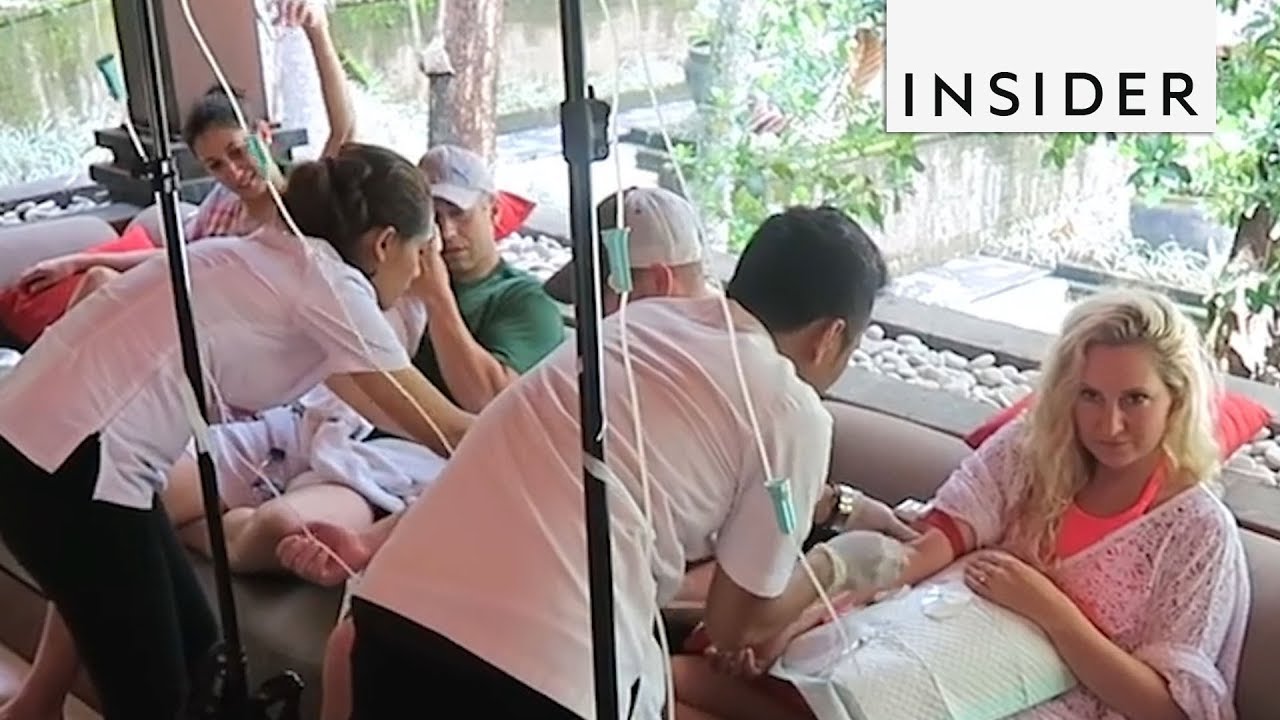
The IV insertion itself is simple for most. A 22 gauge catheter into a hand or forearm vein is common. Hydration runs over 30 to 60 minutes depending on volume. Vitamin infusion therapy can be mixed into the bag or piggybacked in smaller syringes, each run slowly. Glutathione is often given last over 10 to 20 minutes. You sit, hydrate orally, and avoid heavy phone use to minimize tension in the arm. Post infusion, there is a brief observation window. The needle site is bandaged. Many people feel a light, calm clarity within an hour, especially when magnesium was included, and notice skin texture changes later that day.
Safety, side effects, and the boundary between medical and cosmetic
IV therapy safety hinges on screening and sterile technique. Common side effects include a cool sensation in the arm, a mineral taste during magnesium or zinc infusions, and mild flushing with vitamin C. Bruising at the insertion site happens occasionally. If an IV infiltrates, meaning fluid leaks into tissue, the area can swell; trained staff should stop immediately and elevate the limb. Rarely, people experience lightheadedness if the infusion runs too fast. True allergic reactions are uncommon but require immediate response.
Medical IV therapy is used to treat dehydration, nausea, migraines, and similar conditions. Cosmetic or wellness IV therapy targets quality-of-life outcomes like energy, stress relief, or skin appearance. The line can blur, such as with IV migraine treatment that also improves facial pallor, or athletic recovery IV therapy that reduces soreness and brightens the complexion. Regardless of intent, the same standards apply. Hands are washed, gloves are worn, lines are primed, and ingredients are tracked lot by lot.
Ingredients worth knowing, and why they are used
Vitamin C: brightens indirectly by supporting collagen and quenching oxidants. Paired with zinc, it supports immune balance, which can calm the reactive, blotchy look some get after flights or long meetings. Doses at wellness clinics vary, but more is not always better. High amounts can cause GI upset if pushed too fast, and they are unnecessary for routine beauty goals.
B complex: B1, B2, B3, B5, B6, and sometimes methylated B12 and folate address fatigue and assist barrier lipid synthesis. People often notice a small energy bump after an IV energy boost that includes B vitamins, which can translate to a fresher expression.
Magnesium: useful for tension headaches, jaw clenching, and stress-driven vasoconstriction. In my practice, many who come for a skin glow infusion also report better sleep that night if magnesium was included, making the next morning’s skin look more rested.
Glutathione: supports redox balance and may even skin tone. It should be given slowly. Some feel transient nausea if it runs too quickly, which resolves when the rate is reduced.
Electrolytes: sodium for plasma volume, potassium in modest amounts for cellular function, and sometimes calcium in the context of a Myers cocktail. These restore baseline hydration status more predictably than oral intake in the short term.
Zinc: helpful in small doses for wound healing and acne-prone skin, but I rarely include it in first-time infusions for skin because it can be irritating and is better targeted based on dietary intake and labs.
How fast results appear and how long they last
Hydration effects are the quickest. Cheek puffiness is not the goal; rather, there is a softening of tightness in the midface, a smoother look under the eyes, and better makeup glide within one to two hours. Vitamin-driven changes, such as a more even tone or less dullness, show up within 12 to 24 hours and can build for 48 hours as the skin uses those cofactors. Antioxidant benefits are subtle but matter most in the days following an oxidative hit like a red-eye flight or a summer wedding weekend.
Duration varies. If you hydrate well, sleep, and protect from sun, the visible benefits can persist a week. If you return immediately to dehydrating habits, the effect may fade in a day or two. For event prep, I often schedule a wellness IV therapy session 24 to 48 hours before photos or public appearances. That timing lets any mild flush settle and allows the antioxidant effect to polish tone.
Customizing to specific scenarios
Not every skincare goal warrants the same drip. Someone coming off a gastrointestinal illness with lingering nausea may benefit from IV rehydration therapy with saline and a minimal nutrient infusion, keeping osmolarity gentle and spacing vitamins over a slower timeline. A performer with a long stage run might choose an energy drip that combines B complex, magnesium, and moderate vitamin C, avoiding anything that could cause flushing before curtain. A frequent traveler who catches every cold during conference season may layer immune boost IV therapy with vitamin C, zinc if tolerated, and glutathione, timed after landing, to support immune balance and reduce the tired complexion that travel brings.
Migraine-prone patients sometimes pair IV migraine treatment with a skin-forward blend. Magnesium and riboflavin can help migraines and, once pain resolves, the face regains color and loosened expression. Athletes use sports IV therapy after long efforts in heat; improved rehydration speeds athletic recovery IV therapy outcomes and gives skin a less crumpled look that photos reveal even if you do not feel it. Detox IV therapy gets a lot of marketing, but I interpret “detox” as supporting the body’s natural clearance pathways with hydration and antioxidants rather than an aggressive approach. The visible result is a steadier tone after late nights, not magic.
Cost, frequency, and value judgment
IV therapy cost depends on location, staffing, and ingredients. In many cities, a skin glow IV runs from roughly 150 to 350 dollars, with premium packages reaching higher if they include high dose vitamin C IV or more time-intensive care. Mobile IV therapy or concierge IV therapy adds a travel fee. Quick IV therapy or express IV therapy options exist for busy clients, but faster is not always better; some formulations need a longer drip for comfort and safety.
As for frequency, a practical pattern is monthly during high-stress seasons, or strategically before big events. Some clients prefer every two weeks for a short stretch to correct a noticeable slump, then taper. If a clinic pushes weekly forever, ask why. The goal is to support overall wellness IV goals while cultivating habits that reduce dependency. Spending the same budget on a broad approach might include a high-quality vitamin C serum, a mineral sunscreen, a silk pillowcase to reduce friction, and one IV vitamin infusion keyed to stressful weeks. That often produces better, lasting results than any one modality alone.
How to pick a clinic that treats you like a patient, not a product
The market is crowded. Some IV therapy services are excellent, staffed by nurses who place lines without trauma and who individualize care within medical protocols. Others feel like juice bars with needles. You want https://www.facebook.com/seebeyondmedicine/ the former. Proper intake, physician oversight, transparent ingredient lists, and clear policies for adverse events matter. If a provider cannot explain why the dose was chosen for you, keep looking. Reputable IV therapy clinics will also tell you when IVs are unnecessary or contraindicated. They do not oversell anti aging IV therapy as a fountain of youth, and they will coordinate with your dermatologist or primary care clinician when appropriate.
What IV therapy can and cannot do for skin aging
Anti aging IV therapy sits at the intersection of hopes and biology. Hydration and antioxidants can improve the look of the skin and may support the environment in which collagen is maintained, but they do not remodel sun damage or erase wrinkles. Think of IV wellness therapy as making sure your orchestra has tuned its instruments. The music still depends on the score: sleep, diet rich in protein and colorful plants, daily sunscreen, topical retinoids where tolerated, and stress management. Used wisely, IV nutrient therapy can make the orchestra sound better, especially on show day.
Pairing IV therapy with skincare and habits that lock in the glow
After an infusion, the skin is more receptive to topical products that seal in water. I advise clients to use a humectant-rich serum with hyaluronic acid and glycerin while the skin is well hydrated, then top with an emollient that contains ceramides or squalane. If the infusion included antioxidants, a gentle vitamin C serum the next morning complements that internal boost. At night, a retinoid a few times a week nudges collagen maintenance. Sleep is nonnegotiable. One good night’s sleep can amplify the effects of a vitamin drip therapy far more than any extra syringe added to the line.
For those prone to redness, avoid hot yoga and saunas for a day after the infusion. For those who bruise easily, arnica gel helps the insertion site. Drink water, but not excessively. After 1,000 milliliters of IV hydration therapy, forcing another liter immediately serves little purpose and can dilute electrolytes in extreme cases. Normal thirst is your guide.
" width="560" height="315" style="border: none;" allowfullscreen="" >
Special notes on add-ons and trendy mixes
The market churns out names: recovery drip, immunity drip, focus IV therapy, metabolism IV therapy, and weight loss IV therapy. Some are marketing wrappers around similar ingredient sets. For skin goals, I look for clarity on the core trio: fluid, vitamin C with B complex, and an antioxidant, plus magnesium if stress and tension are part of the picture. Energy IV therapy often overlaps with these because improved cellular energy reads as vibrancy on the face. Brain boost IV therapy, focus IV therapy, and memory IV therapy sometimes add compounds like acetyl-L-carnitine or choline. These are not necessary for skin and can be skipped unless cognitive performance is part of the appointment’s aim.
Hangover IV drip packages tend to include anti-nausea medications and extra electrolytes. Those medications are not appropriate for everyone and should be prescribed knowingly. If the goal is purely aesthetic, a more straightforward vitamin infusion therapy is often better tolerated.
When to consider alternatives instead
If you are needle-averse or have fragile veins, a course of oral hydration with electrolyte packets, topical antioxidants, and a nutrient-dense meal plan can replicate much of what a mild IV provides over a day or two. If budget is tight, invest in sunscreen, retinoids, and a good moisturizer before booking iv therapy near me an IV. If you have a chronic dermatologic condition like rosacea or eczema, work with a dermatologist first. Intravenous vitamin therapy may still have a place, but the plan should prioritize skin stability.
Practical, skin-first checklist for the day of your infusion
- Eat a small, protein-containing meal one to two hours before to avoid lightheadedness, and drink a glass of water so veins are easier to access. Bring a photo of your skincare shelf; your provider can help you layer products after the infusion to lock in hydration. Ask for the exact formulation with doses. Keep it in your notes to track what works for your skin and energy. Schedule the infusion at least 24 hours before an event to allow the tone to even out naturally. Plan gentle movement and early bedtime post-infusion. The combination magnifies the glow more than any add-on.
A measured way forward
Skin glow IV therapy can be a smart, targeted tool for people who want rapid hydration, metabolic support, and antioxidant reinforcement. The glow comes from familiar physiology: fuller microcirculation, a better-hydrated barrier, and a temporary edge against oxidative stress. When matched to the right person and timed well, an IV drip therapy session can smooth the week and make the face read as rested even when the schedule argues otherwise.
I encourage clients to view intravenous therapy as part of integrative iv therapy, a supportive chapter inside broader care. You can book a personalized IV therapy session before a busy stretch, then lean on sleep hygiene, sunscreen, stress relief iv therapy alternatives like breathwork or massage, and thoughtful skincare to extend results. Choose clinics that practice medical-grade care even when the goals are cosmetic. Use mobile iv therapy when logistics demand it, but keep the same standards you would expect in a clinic. Keep your expectations grounded, your protocols personalized, and your everyday habits steady. The glow that lasts comes from that combination.